

Instead of spending hours driving between local scrap yards and dealership parts counters, buying car spare part online is now the most efficient way to keep your vehicle running smoothly. In the past, if a component was out of stock, your car stayed on jack stands for days while you waited for a special order.”
The digital shift has completely transformed automotive maintenance. Buying car spare parts online gives you access to global inventories, massive cost savings, and the ability to compare brands with a single click. Whether you are a seasoned DIY mechanic changing your own brake pads or a vehicle owner trying to source components affordably before heading to a local garage, the online marketplace is full of opportunities.
Navigating this digital landscape requires a bit of insider knowledge. Ordering the wrong component can lead to project delays, return shipping fees, and unnecessary frustration. This comprehensive guide covers everything you need to know to confidently shop for auto parts online, verify compatibility, and secure the best deals safely.
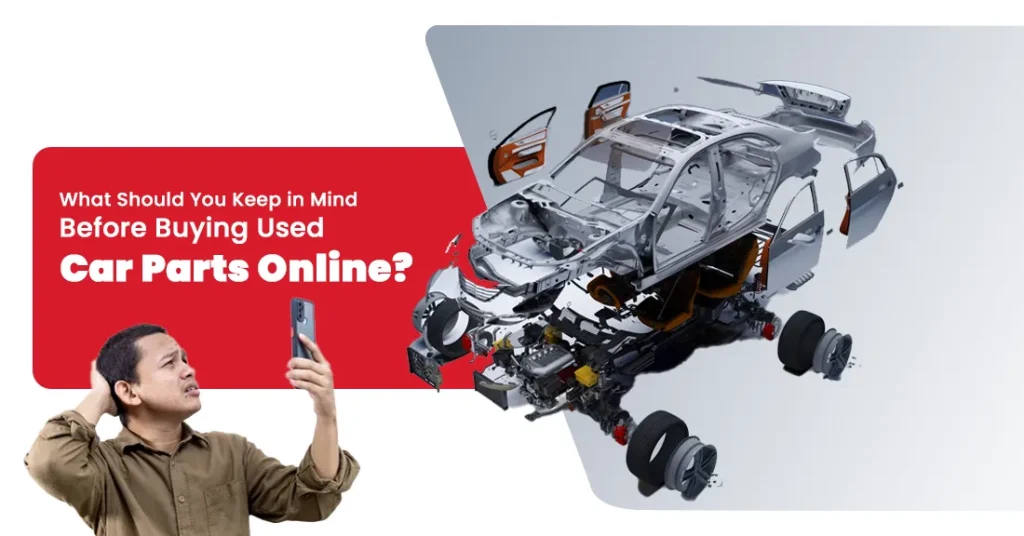
The Benefits of Buying Car Spare Parts Online
Switching from physical retail stores to digital automotive catalogs offers several clear advantages that change how you maintain your vehicle.
1. Massive Cost Savings
Physical retail stores face heavy overhead costs, including building rent, utility bills, and on-shelf inventory management. Online distributors frequently operate out of centralized fulfillment warehouses, allowing them to pass these operational savings directly to you. Furthermore, comparing prices across multiple tabs takes seconds, ensuring you never pay an unnecessary premium.
2. Unmatched Inventory Selection
Your local auto shop can only hold so many physical boxes on its shelves. If you drive an imported vehicle, an older classic, or a less common model, local stores rarely have what you need in stock. Online platforms connect you directly to vast regional and global supply chains, making it simple to find rare gaskets, obscure sensors, or specialized trim pieces.
3. Clear Freedom of Choice
When you walk up to a physical parts counter, you are usually limited to whatever brand that specific store contracts with. Shopping online gives you the freedom to choose your tier. You can buy original factory equipment, choose a premium aftermarket upgrade, or pick a budget-friendly alternative depending on your financial goals.
OEM vs. Aftermarket: Choosing the right website Buying Car Spare Parts Online
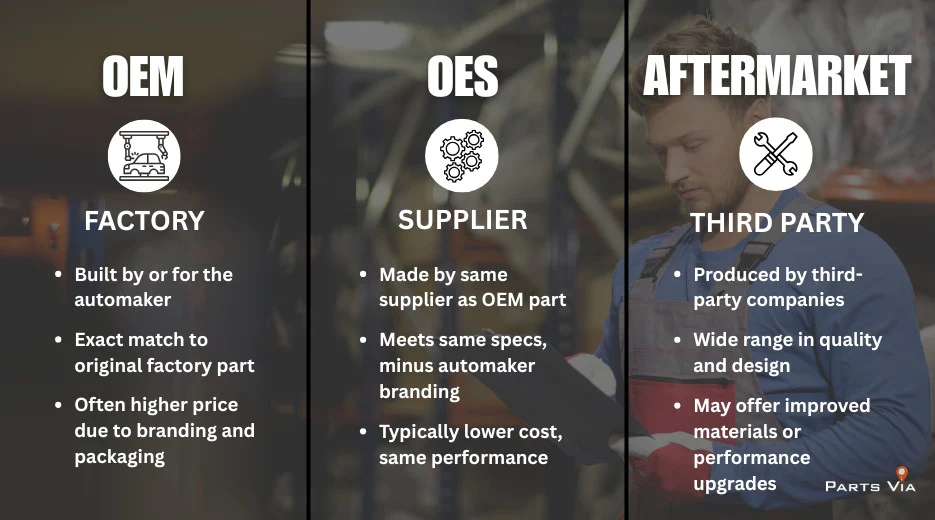
Before adding items to your virtual shopping cart, you must understand the different categories of spare parts available on the market.
OEM (Original Equipment Manufacturer)
OEM parts are built by the exact company that manufactured the original components for your vehicle when it rolled off the assembly line.
- The Benefit: They guarantee an exact, identical fit and restore your car to factory specifications.
- The Downside: They generally carry the highest price tag of any option.
Aftermarket Parts
Aftermarket parts are produced by third-party companies rather than the vehicle’s original manufacturer.
- The Benefit: They are highly affordable and readily available. In many cases, aftermarket brands analyze why a factory part failed over time and engineer a redesigned version that fixes the original flaw.
- The Downside: Quality varies widely. Buying from unknown, unbranded names can lead to poor fitment or premature component failure. Stick to trusted brands like Bosch, Bilstein, or Brembo.
- Remanufactured (Reman) Components
These are used core factory parts that have been completely disassembled, thoroughly cleaned, inspected for wear, and rebuilt with brand-new internal seals or wear-prone components.
- The Benefit: This is an incredibly cost-effective and environmentally friendly way to replace complex, expensive assemblies like alternators, starter motors, steering racks, and engines.
- The Downside: They often require a “core charge,” meaning you must mail your old broken part back to the seller to receive a partial refund.
How to Avoid Fitting Mistakes When Buying Car Spare Parts Online
The biggest risk when ordering auto parts online is receiving a component that looks identical in a photo but fails to fit by a fraction of a millimeter. Use these foolproof strategies to guarantee a perfect match every single time.
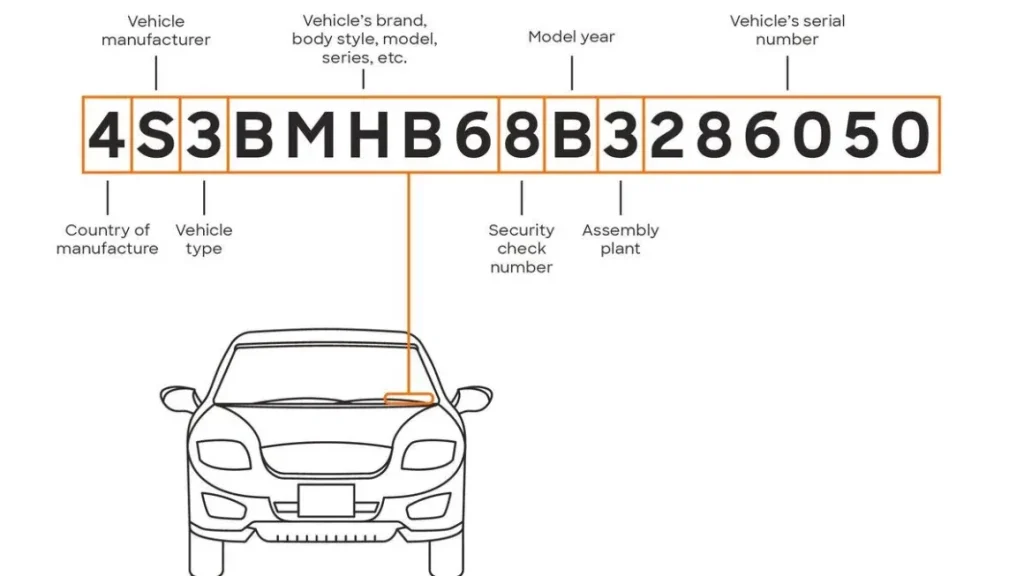
Hunt Down Your VIN (Vehicle Identification Number)
Never search for parts solely by typing your car’s year, make, and model. Car manufacturers frequently update internal components mid-year, meaning a 2018 model built in January might use completely different brake calipers than the exact same model built in August.
Your VIN is a unique 17-character code found on your vehicle’s registration papers or stamped on a metal plate on the driver-side dashboard viewable through the windshield. Entering this exact sequence into online databases filters out incorrect variations and highlights parts built precisely for your specific chassis assembly.
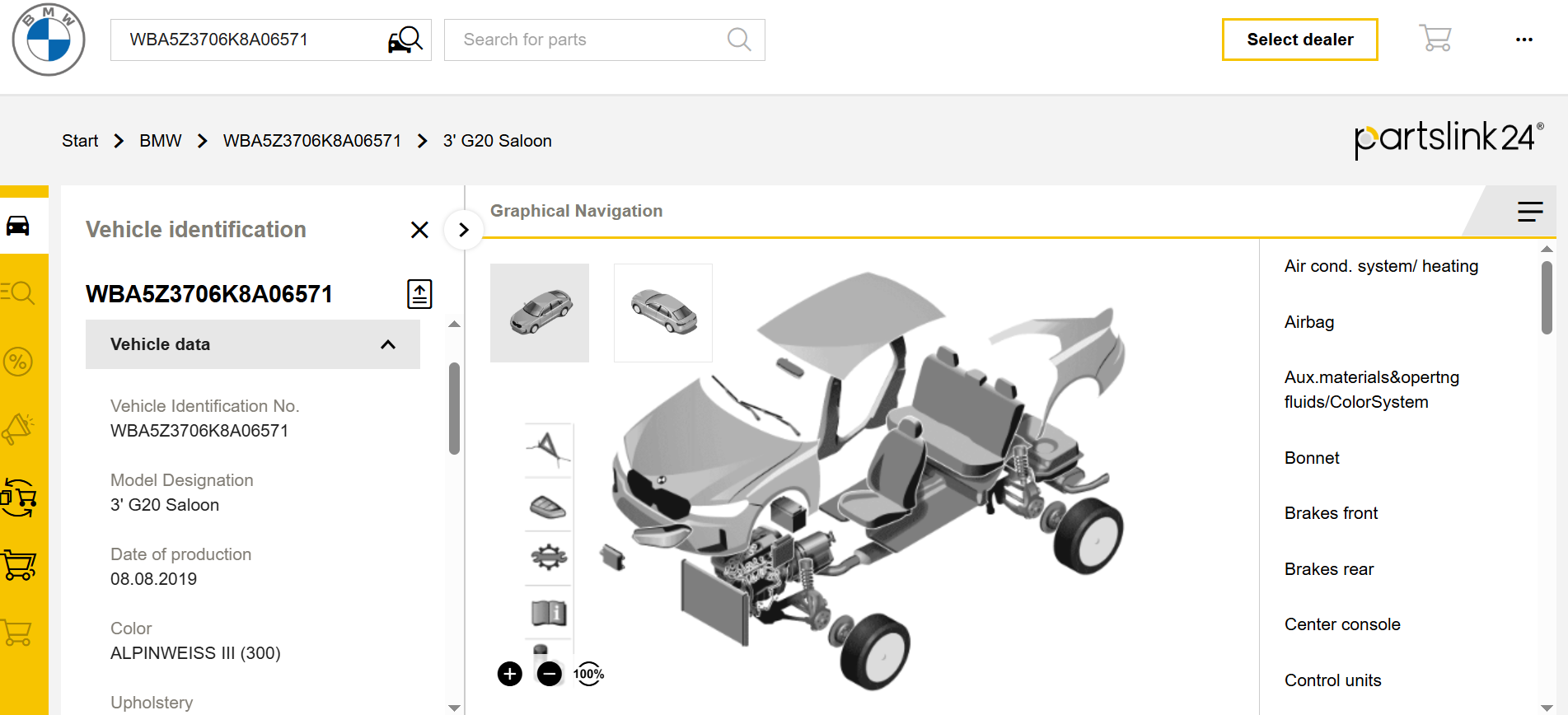
Look for the Original Part Number
If you or your mechanic have already removed the broken part from the car, clean off any grease and road grime with a rag. Look closely for a stamped or printed alphanumeric code. This is the manufacturer’s original part number. Searching online marketplaces using this exact number bypasses all guesswork, taking you straight to direct replacements.
Red Flags to Watch Out For: Protecting Your Money Online
- Unbelievably Low Prices: If an OEM ignition coil or fuel pump normally costs ₹8,000, and a random online listing offers it for ₹1,200, it is highly likely a dangerous counterfeit counterfeit. Fake parts lack safety testing and can ruin your vehicle’s engine.
- Vague Warranty Terms: Reputable component manufacturers stand behind their build quality by offering at least a 1-year warranty. Avoid sellers that offer no explicit warranty or offer coverage that expires the moment the box is opened.
- Missing Compatibility Checkers: Quality parts platforms feature built-in fitment confirmation tools that explicitly say, “This fits your vehicle.” If a site forces you to guess based on a grainy stock photograph, look elsewhere.
Where to Buy Car Spare Parts Online: Choosing the Right Platform
Depending on your location and specific project needs, several distinct types of platforms cater to online parts shoppers:
- Dedicated Automotive E-Retailers: Dedicated platforms focus purely on vehicles. They feature advanced search tools driven by VIN lookups and provide detailed specification sheets.
- General Online Marketplaces: General platforms offer great deals on universal accessories, simple filters, and windshield wiper blades.
- Official OEM Dealership Webstores: Many authorized brand dealerships now operate online parts departments, selling genuine factory components at a slight discount compared to walk-in retail prices
Pro-Tips for a Flawless Online Shopping Experience Car Spare Parts Online
Maximize your savings and protect your repair timeline by integrating these strategic habits into your digital shopping routine:
- Factor in Shipping Costs and Weights: Heavy components like cast-iron brake rotors, complete suspension struts, or exhaust pipes can incur steep shipping fees due to their weight.
- Review the Return Policy Carefully: Always verify who pays for return shipping if a part does not fit. If a heavy component is incorrect, return shipping charges can occasionally cost more than the value of the part itself. Look for platforms that offer hassle-free return windows.
- Inspect the Package Immediately Upon Arrival: Do not leave your newly delivered parts sitting sealed in their cardboard shipping boxes for weeks until your scheduled garage appointment. Inspect the contents for shipping damage, cracks, or missing gaskets so you can initiate a return or exchange right away if necessary.
Summary: Drive Confidently into Digital Maintenance
Embracing the world of online car spare parts shopping is one of the smartest moves you can make as a vehicle owner. By utilizing your unique VIN, understanding the distinct differences between OEM and aftermarket options, and sourcing components from certified platforms, you can cut your repair expenses significantly without compromising on safety or vehicle performance