
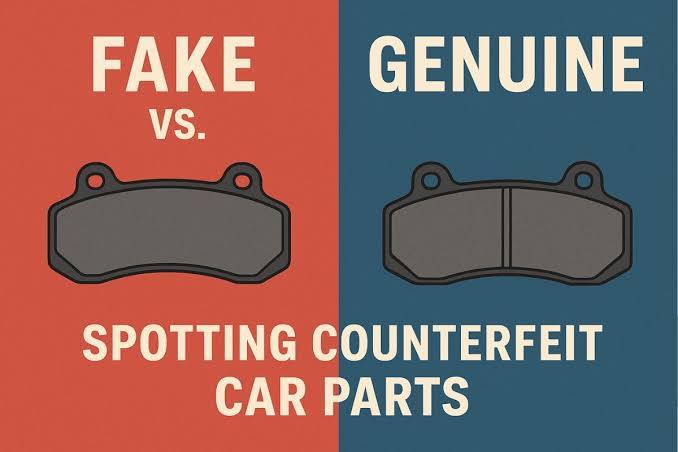
The automotive aftermarket is booming, but it hides a dangerous secret. Millions of counterfeit car parts enter the global supply chain every year. Fake parts look nearly identical to genuine components, but they lack the engineering, testing, and safety standards of original equipment manufacturer (OEM) products.
Using counterfeit auto parts puts your vehicle, your wallet, and your life at risk. A fake brake pad can fail during an emergency stop. A counterfeit oil filter can destroy your engine in minutes. Knowing how to identify these dangerous imprints is a critical skill for every vehicle owner.
Why Counterfeit Car Parts Are a Growing Threat
The rise of online e-commerce platforms has made sourcing auto parts easier than ever. Unfortunately, it has also made it incredibly easy for counterfeiters to reach unsuspecting buyers.
The Hidden Risks of Fake Components
Counterfeiters do not care about quality control, safety regulations, or longevity. They focus entirely on visual replication.
- Mechanical Failure: Fake structural components like control arms or tie rods can snap under normal driving stress.
- Fire Hazards: Substandard electrical parts, relays, and fuel pumps can short-circuit and ignite engine fires.
- Total Engine Destruction: Counterfeit timing belts or oil filters lead to catastrophic, irreversible engine failure.
The Financial Illusion
Buying a cheap knockoff might seem like a budget-friendly hack, but it is an expensive gamble. The premature failure of a twenty-dollar fake part can easily result in thousands of dollars in secondary engine or structural damage.
The Most Commonly Counterfeited Car Parts
Counterfeiters target high-volume, high-turnover replacement items. If a part needs regular replacement, a fake version likely exists on the market.
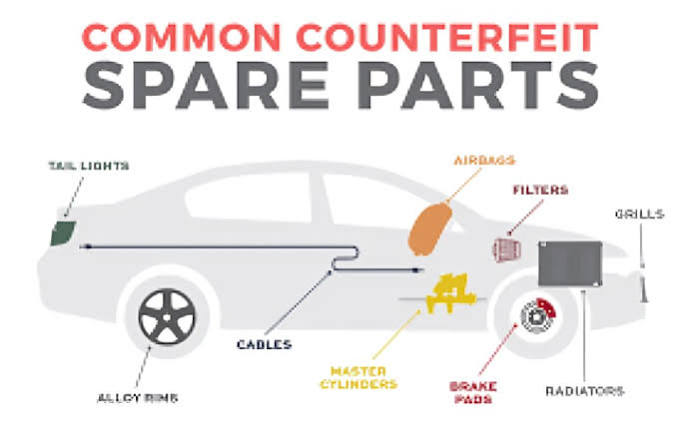
1. Brake Pads and Rotors
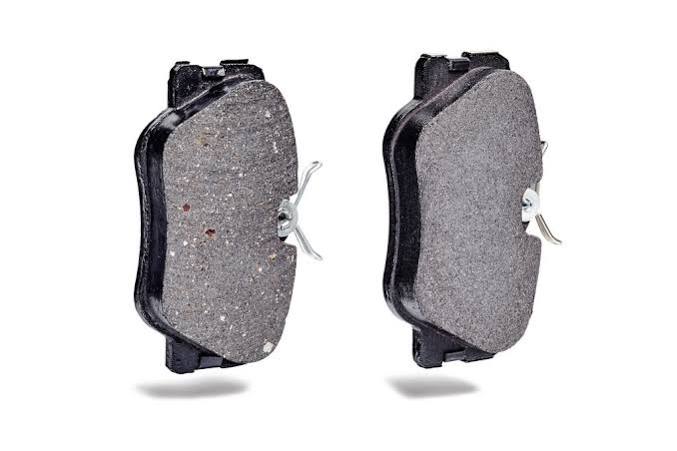
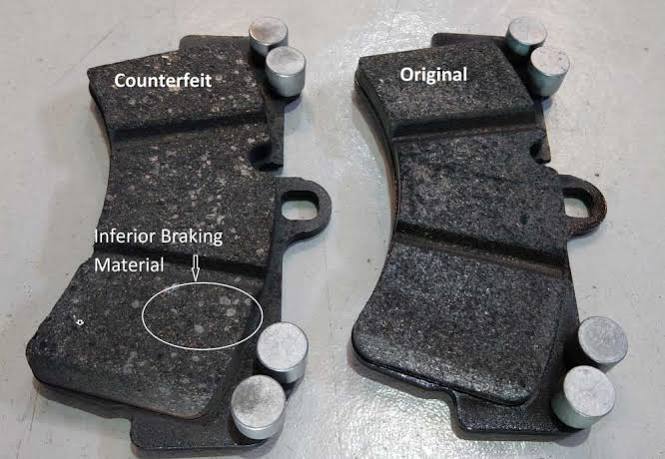
Fake brake pads are notoriously dangerous. Investigators have caught counterfeiters manufacturing brake pads out of compressed wood chips, sawdust, and even dried animal feces held together with cheap glue. These materials catch fire or disintegrate under the intense heat of braking.
2. Spark Plugs
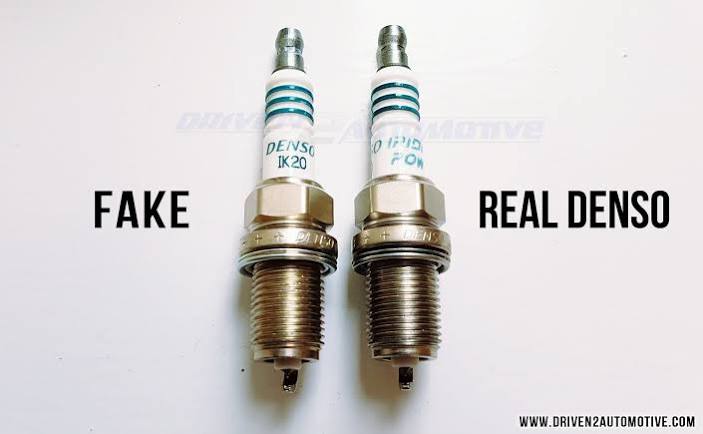
Counterfeit spark plugs often look flawless on the outside. Inside, they use inferior ceramic insulation and low-grade metals instead of platinum or iridium. The ceramic can crack and fall into the engine cylinder, causing catastrophic internal destruction.
3. Oil and Air Filters
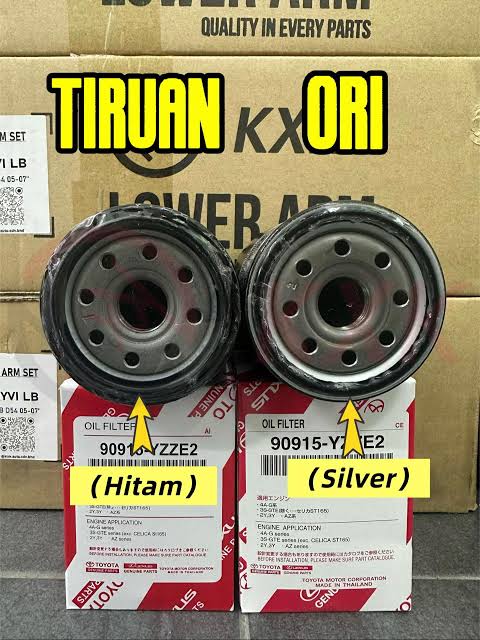
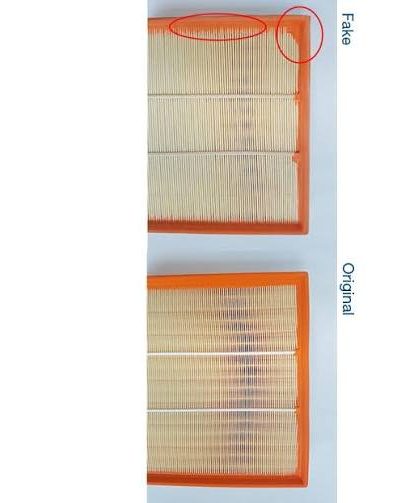
A genuine oil filter contains high-grade filtration media and a functional bypass valve. Fake filters often contain cheap paper or cardboard that collapses under oil pressure. This blocks oil flow and starves your engine of lubrication.
4. Airbags and Sensors
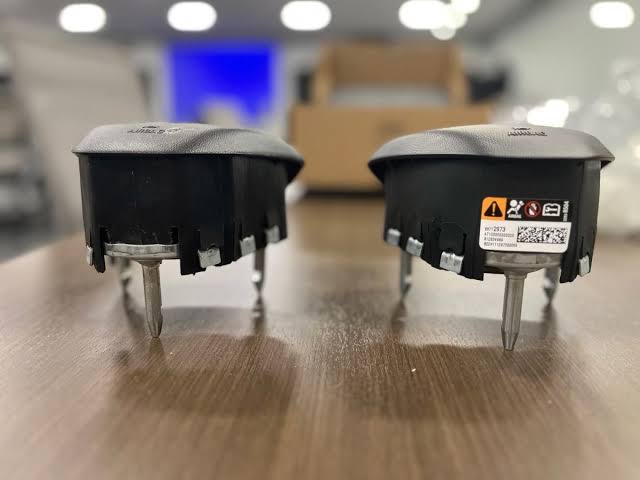
Counterfeit airbags are a terrifying reality. Testing shows that fake airbags either fail to deploy during a crash or explode with excessive force, firing plastic and metal shrapnel directly into the cabin.
5 Red Flags to Spot Fake Car Parts
You do not need to be a certified mechanic to spot a counterfeit. Look for these five telltale signs whenever you purchase or receive automotive components.
1. Unbelievably Low Prices
Price is the most reliable initial indicator of a counterfeit. If an OEM alternator typically costs ₹15,000, and you find a website selling it “brand new” for ₹3,500, it is almost certainly a fake. Authentic parts have baseline manufacturing and material costs that cannot be discounted aggressively.
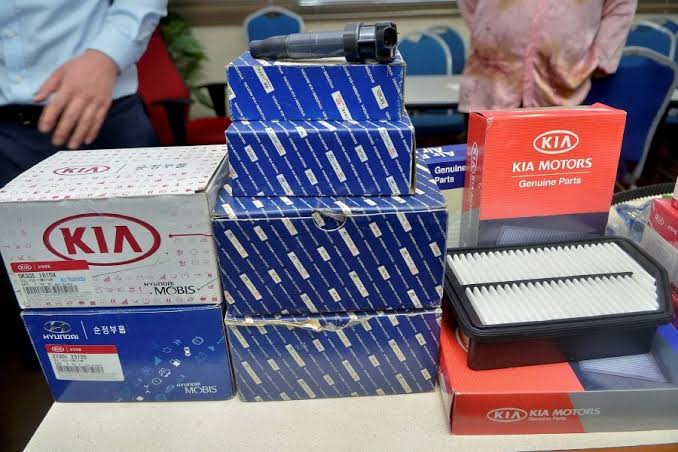
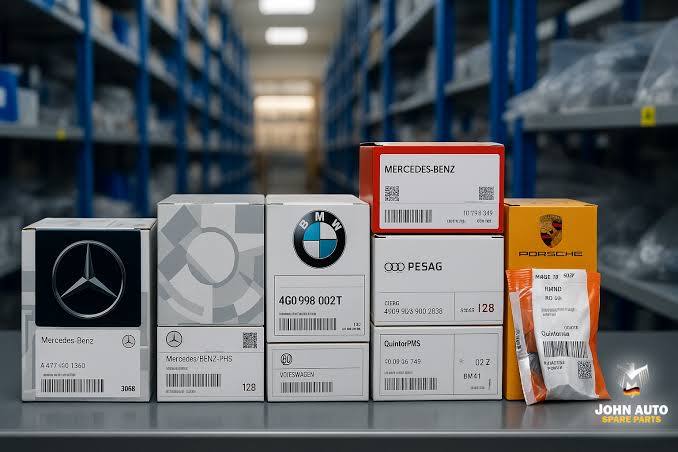
2. Flaws in the Packaging
Vehicle manufacturers spend millions designing secure, high-quality packaging. Counterfeiters often cut corners here.
- Typos and Grammar: Check the box for misspelled words, poor translations, or incorrect logos.
- Flimsy Materials: Genuine parts come in sturdy, heavy-duty cardboard. Fake parts often arrive in thin, flimsy boxes that sag or tear easily.
- Missing Labels: Look for missing barcodes, serial numbers, holographic stickers, or country-of-origin labels.
3. Visual Anomalies on the Part Itself
Inspect the component under bright light before installing it. Compare it closely to the old part you are replacing.
- Weight Differences: Fake parts are often significantly lighter because they use cheaper alloy blends or thinner plastics.
- Poor Finishing: Look for rough edges, uneven molds, sloppy welding, or paint runs.
- Font and Stamp Errors: Check the part numbers stamped into the metal or plastic. Counterfeiters often use the wrong font size, shallow stamping, or misaligned text.
4. Missing Certification and Documentation
Legitimate safety-critical parts carry clear industry certifications (such as ISO, DOT, or E-mark stamps). Counterfeit parts rarely feature these markings, or the stamps look amateurish and uneven. Additionally, genuine parts usually include detailed installation instructions and warranty paperwork inside the box.
5. Ill-Fitting Geometry
A genuine OEM or reputable aftermarket part is engineered to fit your specific vehicle down to the millimeter. If a part requires excessive force to install, if the bolt holes do not align perfectly, or if the electrical connectors do not click into place smoothly, stop immediately. Do not force it to fit.
How to Protect Yourself from Counterfeits
Detecting a fake part with the naked eye can sometimes be incredibly difficult. The best defense is altering your purchasing habits to eliminate the risk entirely.
Buy Only from Authorized Distributors
The safest way to avoid fakes is to buy directly from a dealership parts counter or established, authorized automotive retailers. Avoid third-party marketplaces where unverified sellers can list items under official brand names.
Research the Vendor

Before clicking “buy” on an unfamiliar automotive website, check their credentials. Look for a physical address, a verifiable customer service phone number, and a clear return policy. Check independent review platforms to see if other buyers have raised flags about counterfeit goods.
Ask Your Mechanic for Transparency
If you leave your car at a shop for repairs, ask the mechanic to see the parts and the invoices before they install them. Reputable shops will gladly show you the packaging and verify the source of their inventory. If a shop refuses to disclose where they source their parts, take your vehicle elsewhere.
What to Do If You Discover a Fake Part
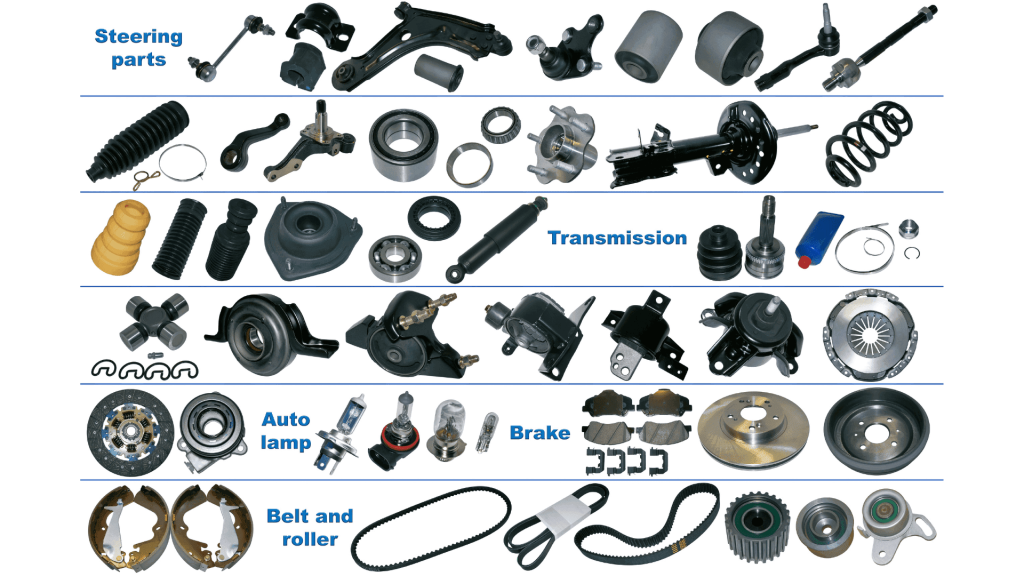
If you realize you have purchased or installed a counterfeit car part, act quickly to protect yourself and the broader driving public.
- Remove It Immediately: Do not drive a vehicle equipped with a suspected counterfeit safety component. Replace it with a verified genuine part right away.
- Report the Seller: Report the counterfeit item to the platform where you purchased it (e.g., Amazon, eBay) so they can take down the fraudulent listing.
- Alert the Manufacturer: Most major automotive brands (like Bosch, Brembo, Toyota, or Ford) have dedicated brand-protection teams. Sending them photos and seller details helps them track down illegal manufacturing operations.
- File a Consumer Complaint: Report the fraud to local consumer protection agencies or national intellectual property theft centers to help authorities build legal cases against counterfeit networks.
Conclusion: Safety Over Savings
Your vehicle relies on a delicate balance of thousands of moving parts working in perfect harmony at high speeds. Cutting corners on component quality undermines that entire system.
When you buy car parts, always prioritize traceability and authenticity over a cheap price tag. Inspect packaging carefully, buy from trusted sources, and trust your gut. If a deal feels too good to be true, it is a counterfeit that could cost you your vehicle—or your life.