
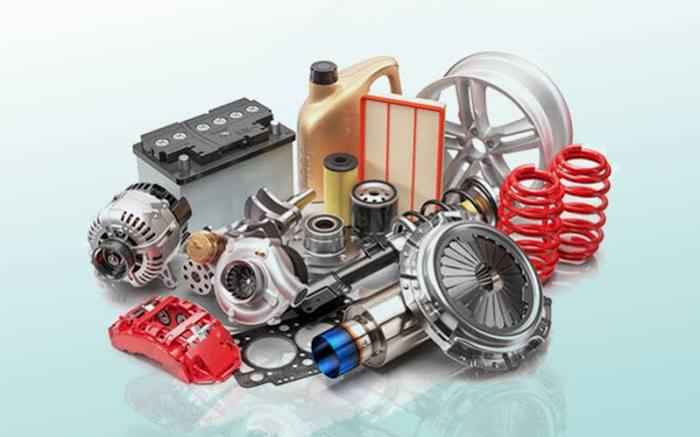
When your vehicle needs a repair, you face a major decision. You must choose between Original Equipment Manufacturer (OEM) parts and aftermarket parts. This choice impacts your wallet, your car’s performance, and your safety.
This comprehensive guide breaks down the pros, cons, and key differences. It will help you make the right choice for your vehicle and budget.
1. What Are OEM Parts?
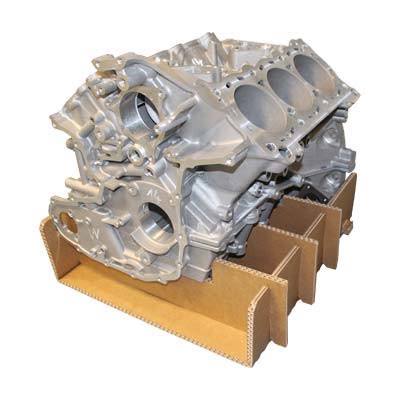
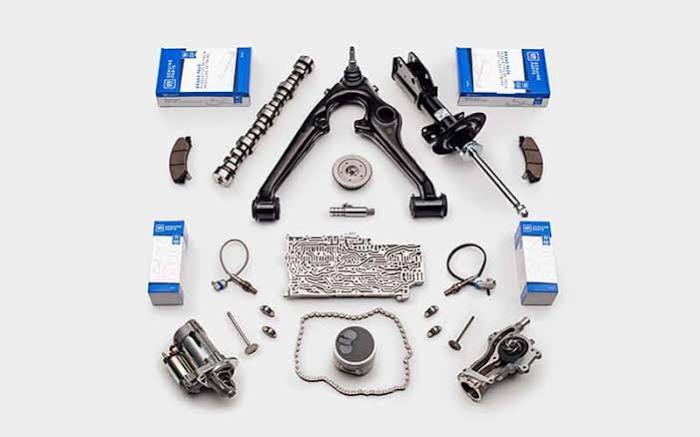
OEM stands for Original Equipment Manufacturer. These parts are made directly by your vehicle’s manufacturer (such as Ford, Toyota, or BMW). They can also be made by a subcontractor authorized by the manufacturer.
[Vehicle Manufacturer] ──> [Official Factory Blueprint] ──> [OEM Part (Exact Match)]The Pros of OEM Parts
- Perfect Compatibility: They match the original part exactly.
- Streamlined Selection: You do not need to compare multiple brands.
- Quality Assurance: They function exactly like the part you are replacing.
- Warranty Coverage: Most OEM parts come with a 1-year warranty backed by the automaker.
The Cons of OEM Parts
- Higher Price Tag: They generally cost 20% to 60% more than aftermarket alternatives.
- Limited Availability: You usually must buy them from a dealership parts department.
- No Innovation: Design flaws present in the original factory part are rarely fixed in the replacement
2. What Are Aftermarket Parts?
Aftermarket parts are produced by independent companies. These companies specialize in creating replacement components that fit various vehicle models. They reverse-engineer the original components to create a functional copy.
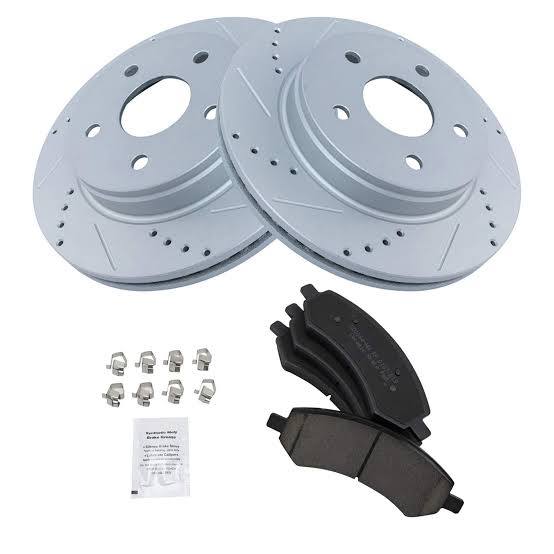
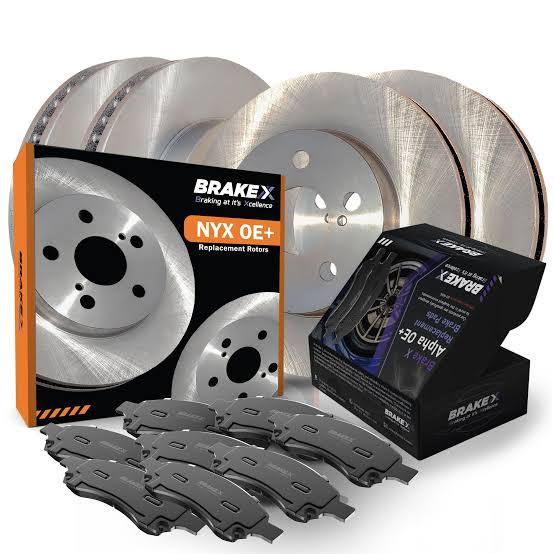
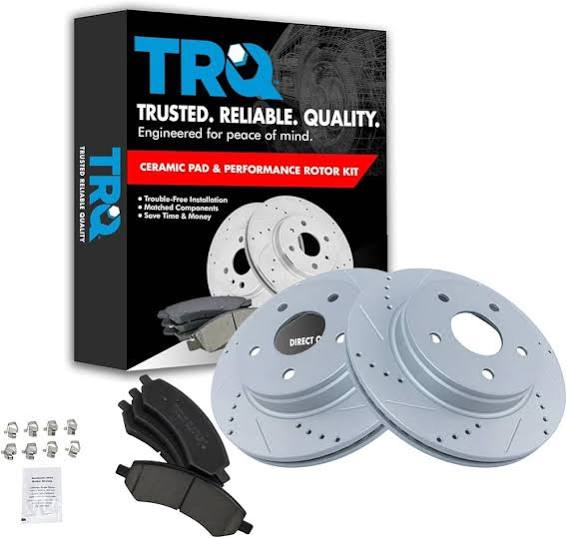
[Independent Company] ──> [Reverse Engineering] ──> [Aftermarket Part (Varied Specs)]The Pros of Aftermarket Parts
- Lower Expenses: They are significantly less expensive than dealer parts.
- Massive Selection: Dozens of companies compete, offering you plenty of options.
- Improved Engineering: Some brands fix known factory flaws to improve durability.
- High Availability: You can find them at local auto shops, retail stores, and online.
The Cons of Aftermarket Parts
- Overwhelming Choices: The sheer volume of brands can confuse buyers.
- Inconsistent Quality: Some parts use cheap materials that fail prematurely.
- Warranty Risks: Low-quality parts can void aspects of your vehicle’s factory warranty.
3. Side-by-Side Comparison
| Feature | OEM Parts | Aftermarket Parts |
|---|---|---|
| Cost | High premium price | Budget-friendly savings |
| Fitment | Guaranteed exact match | May require minor adjustment |
| Where to Buy | Dealerships only | Retail stores and online websites |
| Selection | One single option | Hundreds of brands |
4. When to Always Choose OEM
                 ┌───────────────────────────┐
                 │   Is the car leased?      │
                 └─────────────┬─────────────┘
                               │
                 ┌─────────────┴─────────────┐
          YES ──>│        Choose OEM         │<── NO (Body Panels/Safety)
                 └───────────────────────────┘
Certain situations demand original factory components for safety, legality, or financial protection.
Structural Collision Repairs
Crash safety relies on predictable crumple zones. OEM body panels use the exact steel gauge and crumple points designed during crash testing. Aftermarket body panels may lack proper structural integrity during an accident.
Leased Vehicles
Lease contracts usually dictate vehicle return conditions. Using aftermarket parts during the lease period often violates your contract. This can result in heavy financial penalties when you return the car.
Advanced Safety Sensors
Modern vehicles rely on Advanced Driver Assistance Systems (ADAS). These include radar, cameras, and proximity sensors. Aftermarket sensors frequently fail to calibrate correctly with the vehicle’s central computer.
5. When to Choose Aftermarket
                     ┌───────────────────────────┐
                     │    Is the car older?      │
                     └─────────────┬─────────────┘
                                   │
                     ┌─────────────┴─────────────┐
              YES ──>│    Choose Aftermarket     │<── NO (Routine wear items)
                     └───────────────────────────┘
Aftermarket components excel when you want to maximize value or improve performance.
Routine Maintenance and Wear Items
Items like brake pads, windshield wipers, filters, and spark plugs are great aftermarket choices. Premium aftermarket brake pads often produce less dust and noise than factory pads.
Older Vehicles
Investing in expensive OEM parts for a vehicle with low market value rarely makes financial sense. High-quality aftermarket parts keep older cars running safely without exceeding the car’s cash value.
Performance Upgrades
Heavy-duty off-road suspension components, high-flow air filters, and slotted brake rotors are exclusively aftermarket. These parts outperform original factory specs for heavy towing or track racing.
6. How Your Insurance Policy Impacts the Choice
Insurance companies want to minimize repair costs after an accident. Many policies include an “Aftermarket Parts Mandate.” This allows the insurer to pay only for cheaper, non-OEM body panels and bumpers.
Review your policy details closely. You can often pay a slightly higher premium for an “OEM Parts Rider.” This rider guarantees the insurance company pays for factory-original components after an accident.
7. Crucial Tips for Smart Buying
- Verify CAPA Certification: Look for the Certified Automotive Parts Association (CAPA) seal on aftermarket body parts to ensure quality testing.
- Research the Manufacturer: Buy from reputable brands like Bosch, Brembo, Denso, or Moog.
- Check the Warranty: Ensure your aftermarket purchase includes a replacement warranty against premature failure.
- Consult Your Mechanic: Ask a trusted technician which brand they prefer for your specific repair.
8. The Final Verdict
Your choice depends entirely on your vehicle’s age, your budget, and the specific component you need.
Choose OEM parts if you drive a brand-new car, lease your vehicle, or need critical safety repairs. Choose aftermarket parts if you want to save money on routine wear items, upgrade performance, or keep an older vehicle running efficiently.