
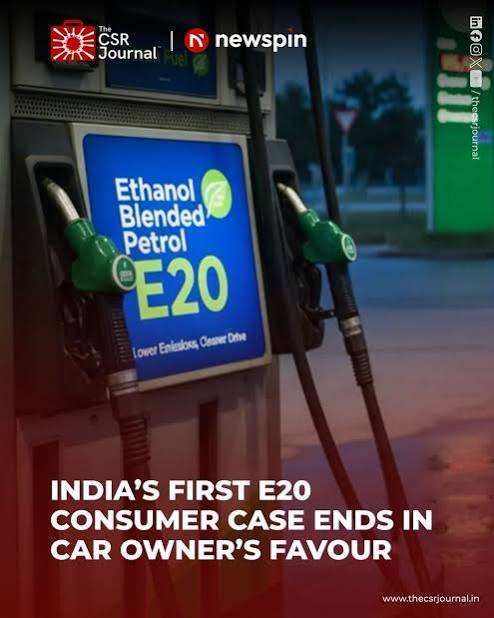
Introduction: The Silent Shift in Your Fuel Tank
As India accelerates towards a greener future with the nationwide rollout of E20 fuel (a blend of 20% ethanol and 80% petrol), millions of vehicle owners are facing a new reality. While E20 promises lower emissions and reduced crude oil imports, it brings a “silent” challenge for your engine—especially if you drive a vehicle older than 2025 or one not specifically calibrated for high-ethanol blends.
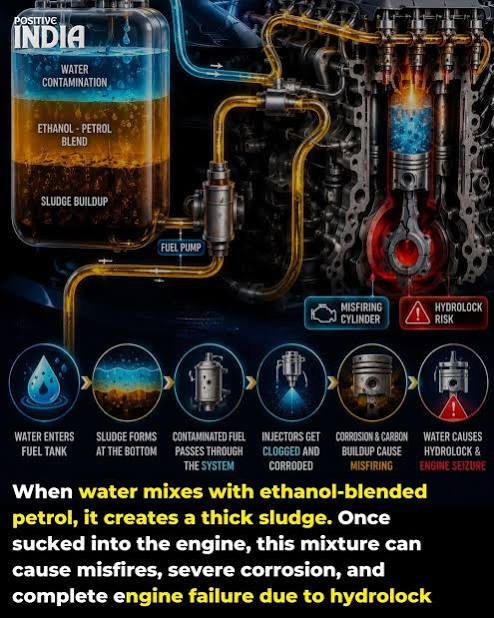
The anxiety is real: Ethanol is hygroscopic (it loves water), corrosive to certain rubbers and metals, and holds less energy than pure petrol. This transition isn’t just about lower mileage; it’s about the long-term health of your fuel lines, injectors, and engine seals. But there is a solution. High-quality fuel additives act as a “chemical shield,” bridging the gap between your engine’s hardware and the new fuel standards.
In this comprehensive guide, we break down the chemistry of E20 risks and review the best additives available in the Indian market to keep your engine running smooth, safe, and efficient.
1. The E20 Threat: Why Your Engine Needs Extra Protection
Before we dive into the products, it is crucial to understand what we are fighting. E20 isn’t just “diluted” petrol; it behaves differently inside your combustion chamber.
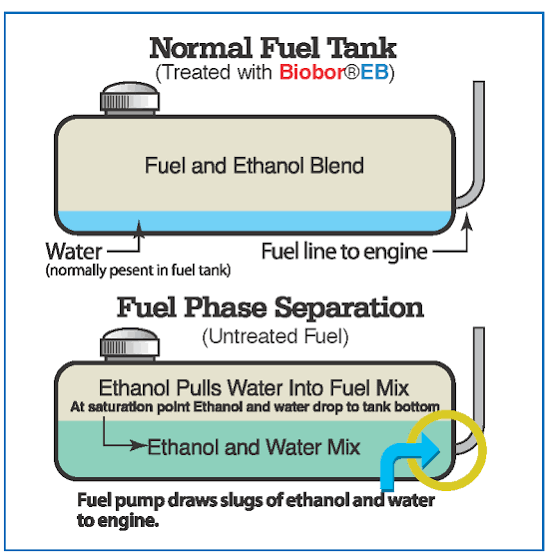
- The Moisture Trap (Phase Separation): Ethanol is hygroscopic, meaning it absorbs moisture from the air. If your car sits idle for days, this moisture can accumulate. In extreme cases, “phase separation” occurs, where the water-ethanol mix sinks to the bottom of the tank. If your fuel pump sucks this up, it can cause instant stalling and severe injector corrosion.
- The Corrosion Factor: Ethanol is a solvent. It can eat away at older rubber hoses, gaskets, and plastic seals that weren’t designed for it. It also accelerates rust formation on metal parts within the fuel system.
- Carbon Deposits & Gunk: While ethanol burns cleaner in theory, the instability of the blend can loosen old deposits in your tank, sending sludge into your injectors. Additionally, it can cause new types of deposits on intake valves.
- The “Lean” Burn: Ethanol has a lower calorific value (energy content) than petrol. Your engine might run “lean” (too much air, not enough fuel energy), leading to hotter combustion temperatures that can stress engine components over time.
2. The Top Contenders: Best Fuel Additives for E20 Protection
We have analyzed the market to find the most effective additives that specifically target ethanol-related issues. These aren’t just generic “boosters”; they are engineered to stabilize E20 blends.
A. The Specialist: Liqui Moly E20 Additive
Best for: Comprehensive protection and peace of mind.
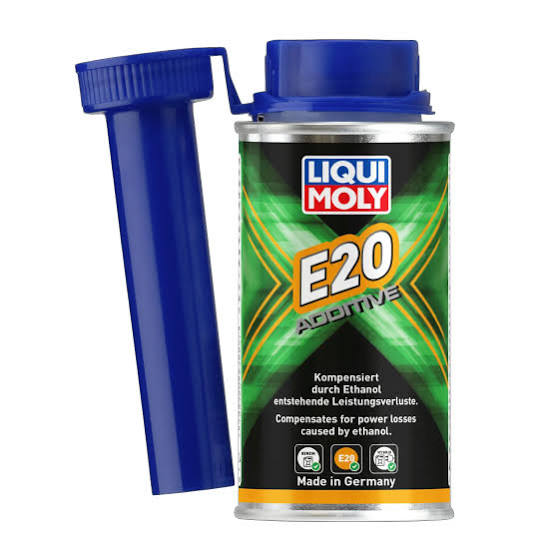
Liqui Moly is a heavyweight in the additive game, and their dedicated E20 Additive is a standout product. Unlike general-purpose cleaners, this fluid was developed specifically to counter the effects of E20 fuel.
- How it works: It contains specific corrosion inhibitors that form a protective layer on metal surfaces, preventing the ethanol-water mix from attacking your tank and lines. It also stabilizes the fuel to prevent oxidation and phase separation.
- Key Benefit: It claims to protect against “fuel-water emulsions,” directly addressing the moisture issue.
- Usage: One 150ml can treats nearly 40-50 liters of fuel. It is suitable for both cars and bikes.
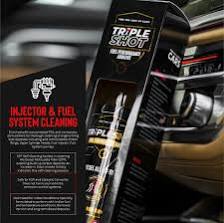
B. The Performance Booster: Tripleshot PEA All-In-One
Best for: Enthusiasts wanting mileage recovery and power.
If you are worried about the performance drop (lower mileage and sluggish throttle) often associated with E20, Tripleshot is a strong contender. It utilizes PEA (Polyetheramine), which is widely regarded as the most effective detergent for cleaning fuel injectors.
- How it works: Its “All-In-One” formula includes an octane booster to compensate for the potential knock/pinging caused by lean E20 combustion. The PEA chemistry aggressively cleans carbon deposits that ethanol might loosen or create.
- Key Benefit: It specifically targets the “mileage drop” issue by improving combustion efficiency and restoring lost power.
- Usage: One 375ml bottle can treat up to 50-60 liters. It is safe for turbo engines and BS6 vehicles.
C. The Reliable Veteran: IFTEX Clean System 2/3 & System G
Best for: Daily maintenance and budget-conscious drivers.
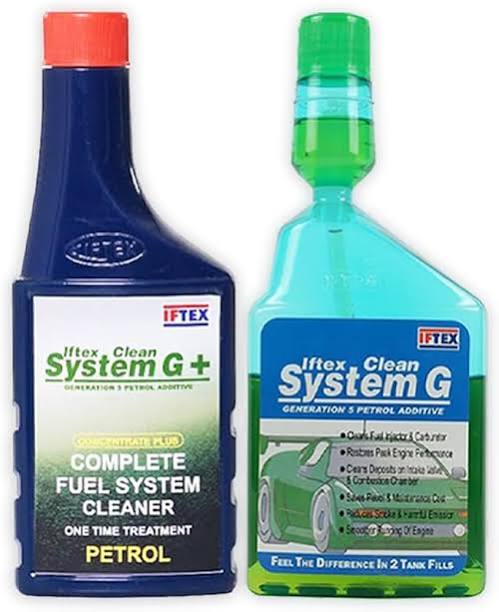
IFTEX has been a trusted name at Indian petrol pumps for decades (often sold as System G). Their Clean System 2/3 is now marketed with E20 compatibility in mind.
- How it works: It focuses on keeping the injectors clean and removing intake valve deposits. While it may not have the aggressive “octane boost” of Tripleshot, it is excellent for stabilizing fuel and preventing the varnish/gum buildup that ethanol causes.
- Key Benefit: Widely available and affordable. It acts as a combustion catalyst to help the fuel burn richer, countering the energy loss of ethanol.
- Usage: It’s a concentrate; you use a small amount (e.g., 10ml per 10 liters) with every fill-up, making it very economical.
D. The Stabilizers: Milex and Redflow
Best for: Older cars and long-term storage.
- Milex Fuel Additive: Focuses heavily on the “hygroscopic” problem. It stabilizes the fuel mixture to prevent the separation of ethanol and petrol, which is critical if you don’t drive your car every day.
- Redflow: This additive is marketed almost like a “software patch for legacy hardware.” It contains water dispersants that break down water into micro-droplets, allowing them to pass safely through the combustion chamber without causing rust or stalling.
3. Comparative Analysis: Which One Should You Buy?
| Feature | Liqui Moly E20 | Tripleshot PEA | IFTEX System 2/3 |
|---|---|---|---|
| Primary Focus | Corrosion & Water Protection | Cleaning & Performance | Maintenance & Stability |
| Key Ingredient | Anti-oxidants, Corrosion Inhibitors | PEA (Polyetheramine) | Detergents |
| Best For | New & Old cars worried about rust | Performance cars & Mileage drops | Daily commuters |
| Treat Rate | 1 can per tank (High cost/tank) | 1 bottle per tank (Med cost/tank) | Concentrate (Low cost/tank) |
4. Beyond the Bottle: Mechanical Tips for E20 Safety
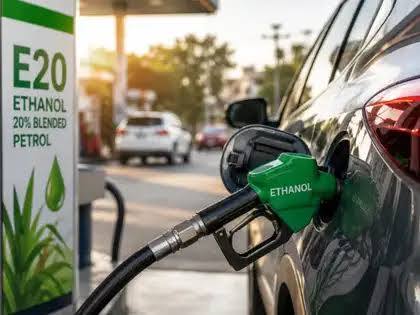
While additives are excellent, they are not magic. For complete protection—especially for vehicles older than 2010—you should consider these physical checks:
- Shorten Your Oil Change Intervals: Ethanol can dilute engine oil more quickly than pure petrol. If you usually change oil every 10,000 km, consider doing it every 7,500 km to ensure your engine stays lubricated.
- Inspect Rubber Lines: Check your fuel hoses during every service. If they look cracked, brittle, or “swollen,” replace them immediately with ethanol-compliant hoses (often marked with SAE J30 R9 or similar standards).
- Don’t Let Fuel Sit: The worst enemy of E20 is time. If you are going on a vacation, try to leave the tank nearly empty or add a heavy dose of stabilizer. Stagnant E20 absorbs water rapidly.
5. Conclusion
The transition to E20 is inevitable, but engine damage is not. By understanding the chemistry—that ethanol loves water and hates old rubber—you can take proactive steps.
For most drivers, IFTEX System 2/3 offers a cost-effective daily shield. However, if you drive a high-performance car or an older beloved model, investing in Liqui Moly E20 Additive or Tripleshot is cheaper than replacing a rusted fuel tank or clogged injectors. Think of these additives not as an expense, but as a vital insurance policy for your engine in the era of ethanol.